ACPE-Accredited Clinical Pastoral Education
Gold Standard Training for the Chaplain You're Becoming
Clinical formation in an approved setting where you already serve. Choose from 10, 16, and 26 week formats designed around working lives. Live online education and supervision.
300 Clinical Hours
•100 Educational Hours
•10, 16, and 26 Week Formats

ACPE-Accredited CPE
Recognized national standard
Live Online Education & Supervision
No relocation required
Clinical Formation Where You Serve
300 hours in your local setting
10, 16, and 22 Week Formats
Multiple weekly cohorts
CPE Built Around the Life You Already Have
Stay Rooted Where You Serve
Participate in education and supervision online while completing clinical formation in your approved local setting.
Choose the Pace
Select among 10, 16, and 26 week formats.
Find a Cohort That Fits
Extended cohorts are offered across multiple weekday times.
Grow Through Real Practice
Bring actual spiritual-care encounters into supervision, reflection, and formation.

What Is Clinical Pastoral Education?
Clinical Pastoral Education is a way of learning from real encounters in spiritual care.
Students bring their clinical experiences into supervision, reflection, case presentation, interpersonal learning, and theological or spiritual integration. The work is not only about what happened in the encounter, but also about what the caregiver brought into the room.
Real encounters become the material for deeper self-awareness, stronger clinical practice, and more intentional spiritual care.
Learn More About CPEWhy CPE Matters
CPE helps spiritual caregivers become more intentional about how they enter suffering, understand what is happening in the encounter, and respond with greater clarity and presence.
Clinical Competence
Develop greater skill in spiritual-care encounters through practice, supervision, and reflection.
Reflective Practice
Learn to slow down, examine what happened, and understand the encounter more deeply.
Self-Awareness
Recognize the emotions, assumptions, beliefs, patterns, and reactions you bring into the room.
Professional Formation
Grow in the capacity to offer grounded, thoughtful, and intentional spiritual care.
When can you enter?
Choose Your Entry Point
CISF offers multiple entry points throughout the year so students can choose the pace and start term that best fit their lives.
26-Week Extended · September or March start
Averages 12.5 clinical hours per week. Up to two units per year; four units take a minimum of two years.
26-Week Extended · December or June start
Averages 12.5 clinical hours per week. Up to two units per year; four units take a minimum of two years.
16 + 10 + 16 · One Calendar Year
Three units in one calendar year (16 + 10 + 16); four units take a minimum of 58 weeks.
26-Week Extended
22 class weeks within a 26-week period, allowing flexibility around holiday weeks such as Thanksgiving and Christmas. Students have 25 weeks to complete clinical hours — an average of 12.5 hours per week. Entry points in December, March, June, and September. Up to two units per year; four units take a minimum of two years.
16-Week Extended
A moderately concentrated format completed over approximately four months. Students average 18.75 clinical hours per week. Terms run February–May and September–December.
10-Week Summer Intensive
The most concentrated format, running June to Mid-August. Students average 30 clinical hours per week. Exact dates and meeting times are TBD.
All cohort meeting times are Eastern Time (ET).
Weekly cohorts
Choose Your Cohort
Once you choose your track and entry point, select the weekly cohort time that best fits your schedule.
26-Week Cohorts
Tuesday Afternoon
12:00–3:00 PM ET
Term: December–May
Educator: Joanna Tarr, CE
Monday Evening
6:00–9:00 PM ET
Term: March–August
Educator: TBD
Tuesday Evening
6:00–9:00 PM ET
Term: March–August
Educator: Karen Hutt, CE
Wednesday Evening
6:00–9:00 PM ET
Term: March–August
Educator: TBD
Thursday Evening
6:00–9:00 PM ET
Term: March–August
Educator: Karen Hutt, CE
Friday Afternoon
3:30–6:30 PM ET
Term: March–August
Educator: Tom Carter, CE
26-week cohorts have entry points in December, March, June, and September.
16-Week Cohort
Afternoon Section
Day & time TBD
Term: February–May
Educator: Matthew O'Brien, CE
16-week terms run February–May and September–December.
10-Week Summer Intensive
Meeting Time
TBD
Term: June to Mid-August
Educator: TBD
Exact Summer dates and meeting times are still being finalized.
How it works
How CISF CPE Works
- 01
Choose Your Track
Select the 10, 16, or 26 week format that best fits your life and availability.
- 02
Choose Your Entry Point
Select the term in which you want to begin.
- 03
Choose Your Cohort
Choose the available weekly meeting time that works best for your schedule.
- 04
Begin Your Formation
Complete clinical practice in an approved setting while participating in live online education, supervision, reflection, and interpersonal learning.
Why CISF?
Why CISF?
CPE is not simply about learning what to say or which intervention to use. It is about becoming more aware of the person you bring into the room.
At CISF, real clinical encounters become material for supervision, reflection, interpersonal learning, theological and spiritual integration, and deeper self-awareness.
The goal is not only stronger clinical skill, but greater clarity, presence, and intentionality in the way you accompany another person.
Formation before technique. Presence before performance.
Learn About Our Formation ModelLeadership
Leadership

Rev. Dr. Rick Capezza, BCC
Executive Director, CISF
ThD, DWS, DMin, MDiv, STM · Board Certified Chaplain
Over 25 years of clinical spiritual care leadership, hospice administration, and theological education. Archbishop in the African Orthodox tradition and Presiding Bishop of the Fellowship of Integral Spirituality.
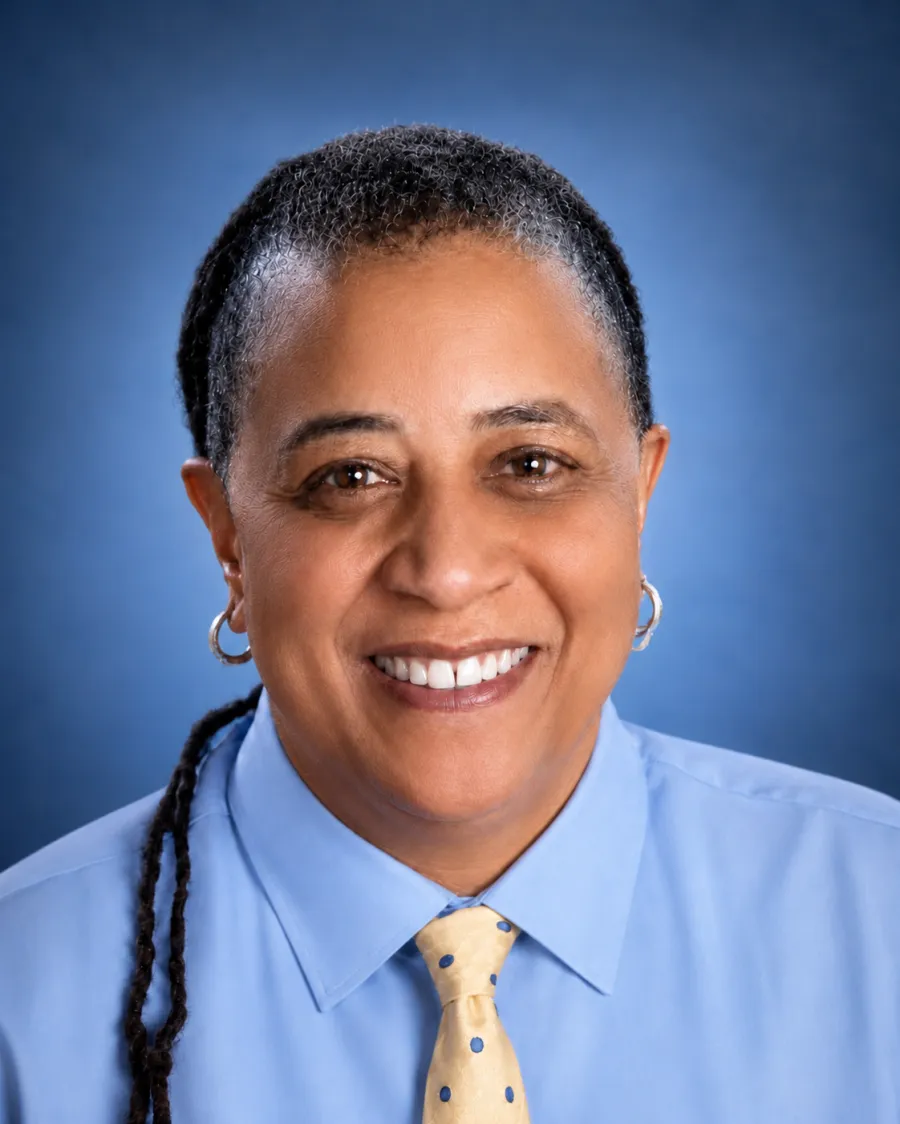
Rev. Karen L. Hutt
Educational Director, CISF
ACPE Certified Educator · Ordained UU Minister
ACPE National Faculty member, author of 'The Call to Care,' and a veteran of urban trauma centers, pediatric hospitals, and correctional chaplaincy. Her decades of clinical and supervisory experience shape a formation practice grounded in justice, presence, and the dignity of every person in suffering.
Who will teach me?
Learn With Experienced Chaplain Educators
Our faculty hold the highest certification ACPE awards and bring decades of clinical, doctoral, and military experience to your formation.

Rev. Joanna H. Tarr, MDiv, MS
ACPE Certified Educator
ACPE Certified Educator · M.Div. Baptist Theological Seminary at Richmond · MS Art Therapy & Counseling
Ordained CBF-endorsed chaplain and former Director of Clinical Pastoral Education at Saint Luke's Health System, Kansas City. United States Navy Reserve chaplain with experience in art therapy integration, hospital ministry, and mission work in Russia.
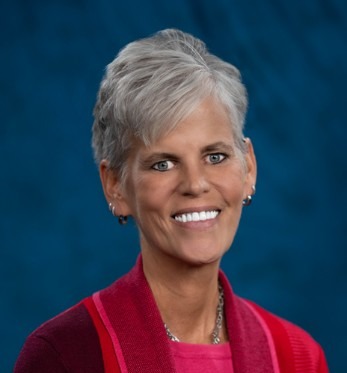
Stacy Kenney, D.Min., BCC
ACPE Certified Educator
D.Min. · Board Certified Chaplain · UCC Ordained
ACPE Certified Educator at the Cleveland VA. Doctoral research on wisdom in educator training and ethical accompaniment in complex institutional systems.

Rev. Matthew O'Brien
ACPE Certified Educator
M.Div. · APC Board Certified Chaplain · Brigade Chaplain (Major, USAR)
APC Board Certified Chaplain and former Lead Chaplain at Lucile Packard Children's Hospital Stanford with 20+ years of pastoral, hospice, and military chaplaincy.
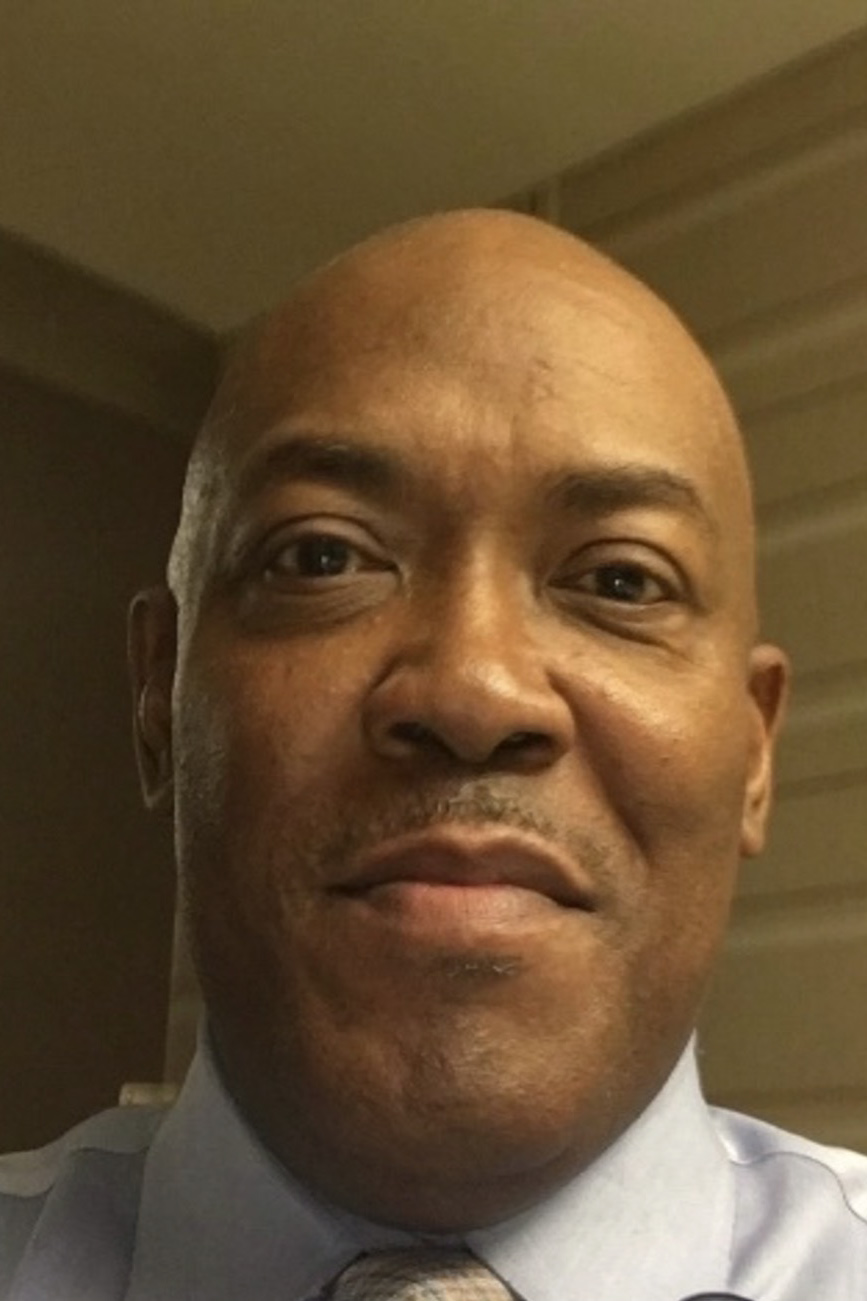
Thomas Carter
ACPE Certified Educator
M.Div. Golden Gate University · ACPE Certified Educator
ACPE Certified Educator at UC Davis with experience as a staff chaplain and congregational pastor.
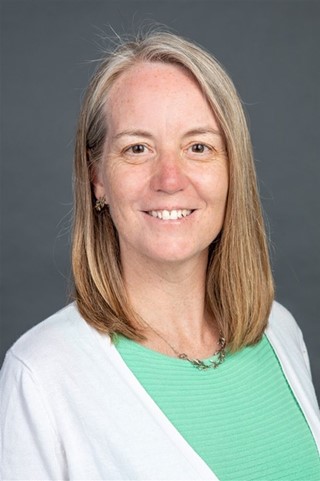
Nancy Wood
ACPE Certified Educator
M.Div. Harvard Divinity School · Smith College
Certified Educator with Norton Healthcare in Louisville, KY; recipient of the ACPE Theory Paper of the Year award.
Who we serve
Who We Serve
CISF serves people pursuing professional chaplaincy and others seeking rigorous formation in spiritual care.
Working & Aspiring Chaplains
For those entering chaplaincy or continuing their professional formation.
Clergy & Seminary Students
For ministers and theological students seeking deeper clinical formation.
Military Chaplains & Candidates
For those integrating spiritual care formation with military ministry.
Hospice & Healthcare Spiritual Care Professionals
For caregivers working in settings where suffering, meaning, grief, and presence matter every day.
Spiritual Directors & Pastoral Caregivers
For those seeking deeper self-awareness, reflective practice, and formation in spiritual accompaniment.
Professionals Transitioning into Chaplaincy
For those discerning or preparing for a move into professional spiritual care.

Talk with someone
Not Sure Which CPE Path Fits You?
Talk with us about your goals, schedule, clinical setting, previous CPE experience, and questions about the 10, 16, or 26 week formats.

Ready to begin?
Ready to Begin Your Next CPE Unit?
Choose the track, entry point, and cohort that best fit your life and take the next step in your formation as a spiritual-care professional.